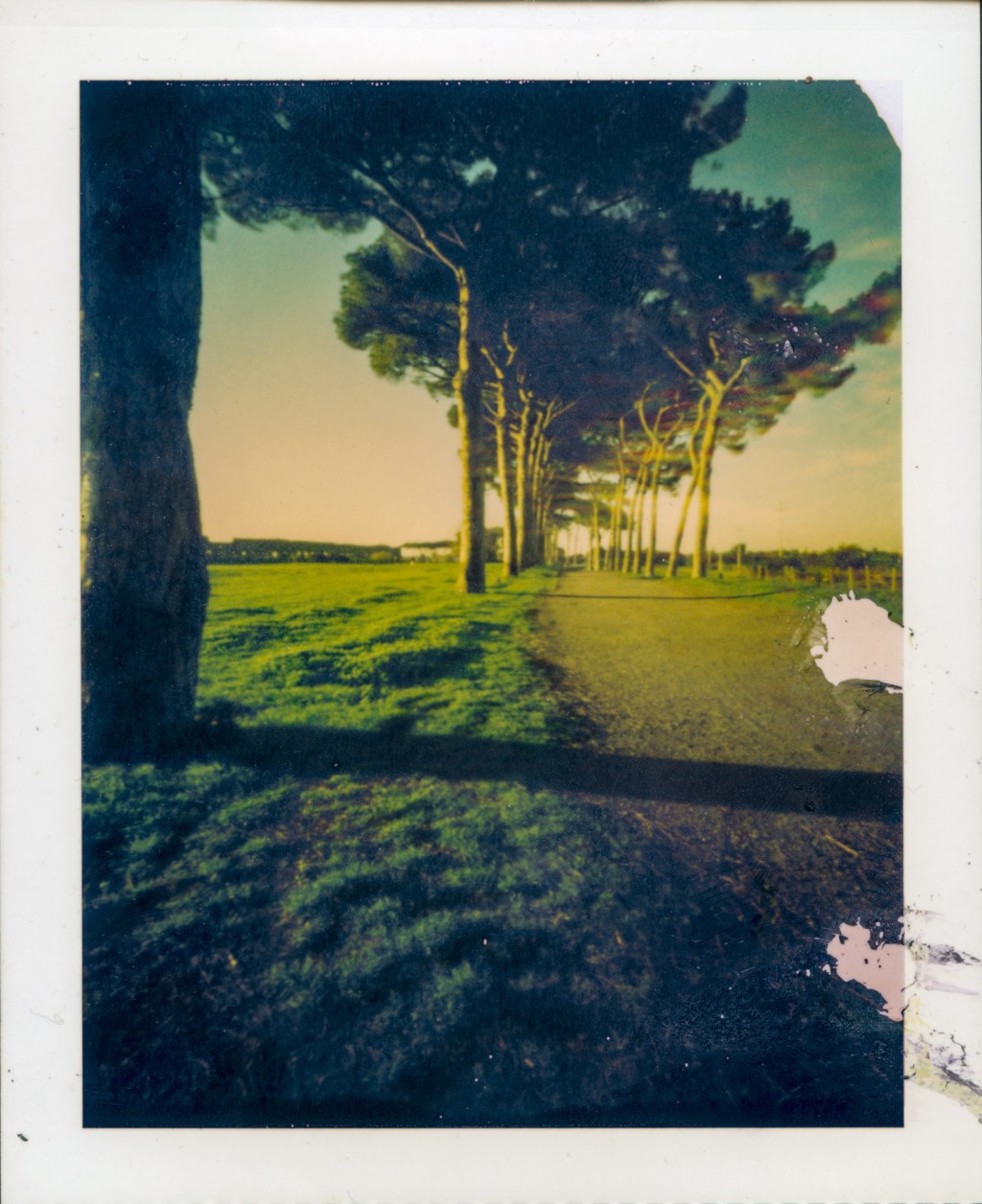
Portfolio review for Luca Baldassari
Technical part.
Your pinhole photography practice is perceived as a conscious, patient exploration of light, time, and space, and your portfolio demonstrates your constant experimentation. Over three decades, you’ve created your own language, which ranges between landscapes and urban scenes. In reviewing your portfolio, we won’t dwell too much on the technical aspects. We see that your 30 years of experience allow you to make the most of your pinhole camera, and you experiment extensively with format, optics, subjects, time, and materials. The technical side of photography is undoubtedly one of the most important. Then comes the artistic intent. After all, a photographer may see a photograph as beautiful, but they can’t always create it exactly as they envisioned. You manage to find this fine line in photographic creation because you approach it with great poetic care. Your most powerful works lie on this border, where meticulous craftsmanship becomes an attentive gaze, transforming ordinary spaces into meditations dedicated to memories and atmosphere: doors and windows become openings that create a mood, streets curve toward soft horizons, weather and seasons imbue the image with time. The series feels cohesive and dynamic, inviting viewers to slow down and immerse themselves in the moment.
We appreciate your thoughtful approach to digitizing your photographs: the goal is to determine whether changes are truly necessary, and if the scan is technically correct and conveys the intended mood, further retouching should be used only to enhance the artistic image or correct technical nuances. In practice, with photographs of this type, retouching should be minimal and used purposefully (tonal balance, subtle local contrast, preserving texture and grain), and avoid altering the underlying mood or spatial relationships of the original. More often, it’s better to use editing to correct practical flaws—small exposure adjustments, refinement of white balance, or restoration of lost detail in shadows and highlights—while maintaining the photographer’s authenticity. Save more deliberate stylistic techniques for moments when you want to enhance the atmosphere (subtle desaturation, selective color enhancement, or subtle texture enhancement), and always document your choices with notes to ensure the rationale is clear. First and foremost, it is essential to protect the integrity of the archive through non-destructive editing and file versioning, ensuring that the digital image remains an accurate and faithful continuation of the original photograph.
Personalized style
As a photographer, finding your own style is crucial because it allows you to express your unique perspective and creativity, helping you stand out in a competitive field. Developing a distinctive style also builds your personal brand, making your work recognizable and memorable to clients and audiences. Moreover, it fosters artistic growth and confidence, enabling you to make intentional choices and push your boundaries. Ultimately, a well-defined style reflects your identity and vision, making your photography more authentic and impactful.
We’d like to point out that after viewing your website and portfolio, your landscape photographs are particularly striking and distinctive. They clearly capture the depth of the moment, a unique sense of time and slow motion. We’d like to highlight the following among your photographs: your exceptional use of lighting to create mood, the composition that draws viewers into the scene, and the way you convey a sense of tranquility and timelessness that truly sets your work apart.
We’d like to point out that after viewing your website and portfolio, your landscape photographs are particularly striking and distinctive. They clearly convey a sense of depth, a unique sense of time and slow motion.
We’d like to highlight certain shots among your photographs:

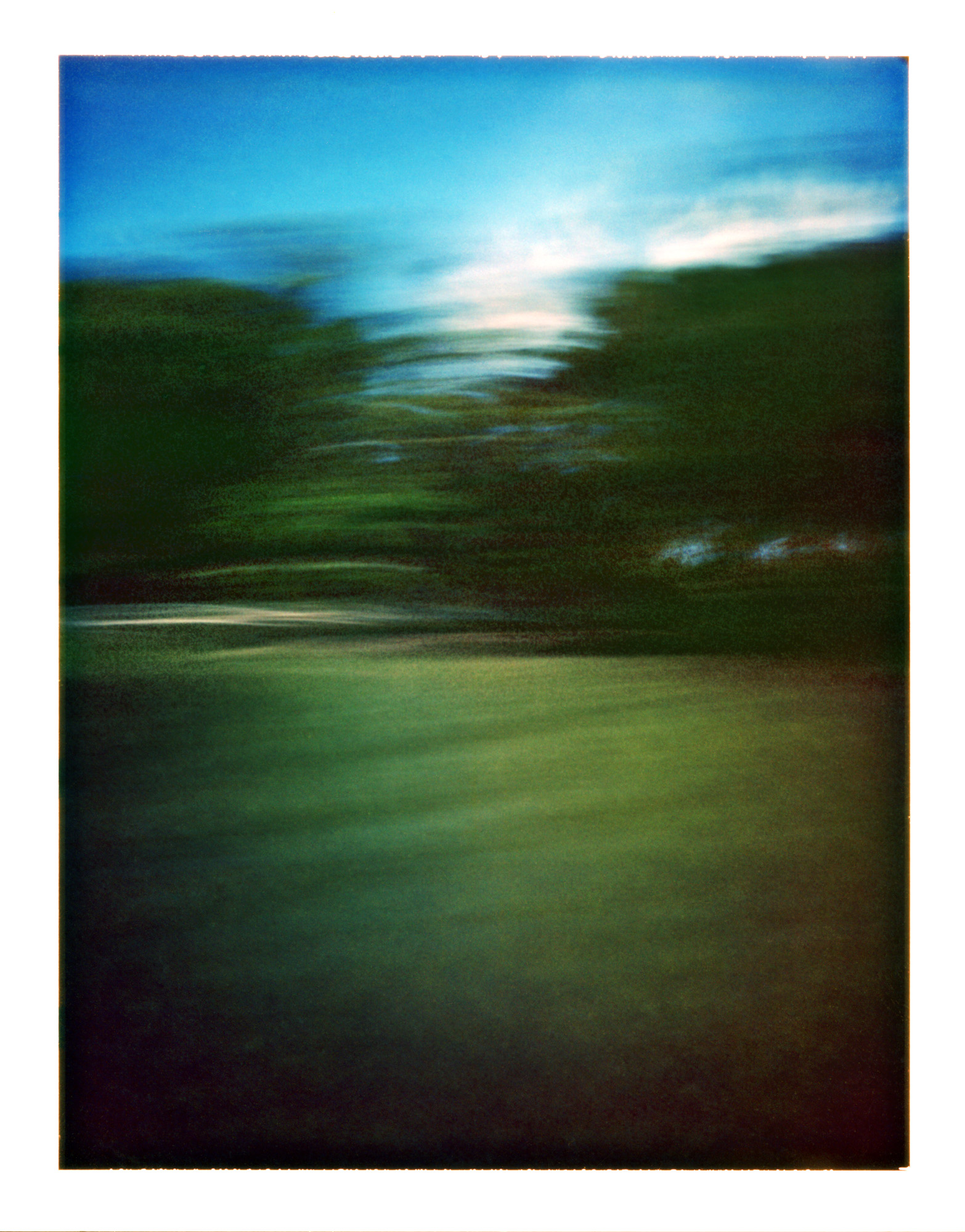
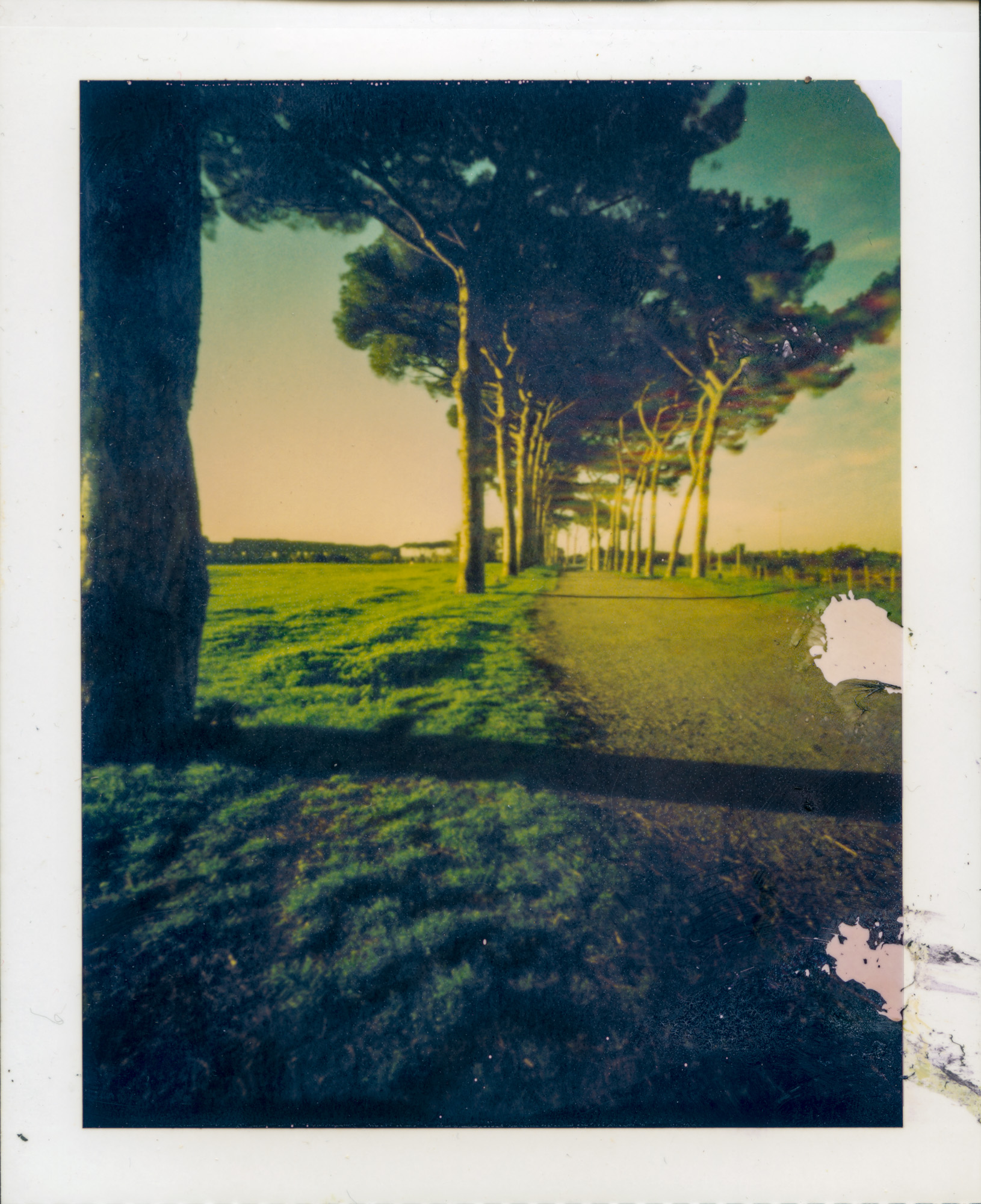

We also want to draw attention to your city photos. There’s so much movement in them! It’s simply incredible – great work. Your ability to capture the dynamic energy and vibrant life of urban environments really brings the scenes to life, showcasing your talent for revealing the pulse of the city through your camera.
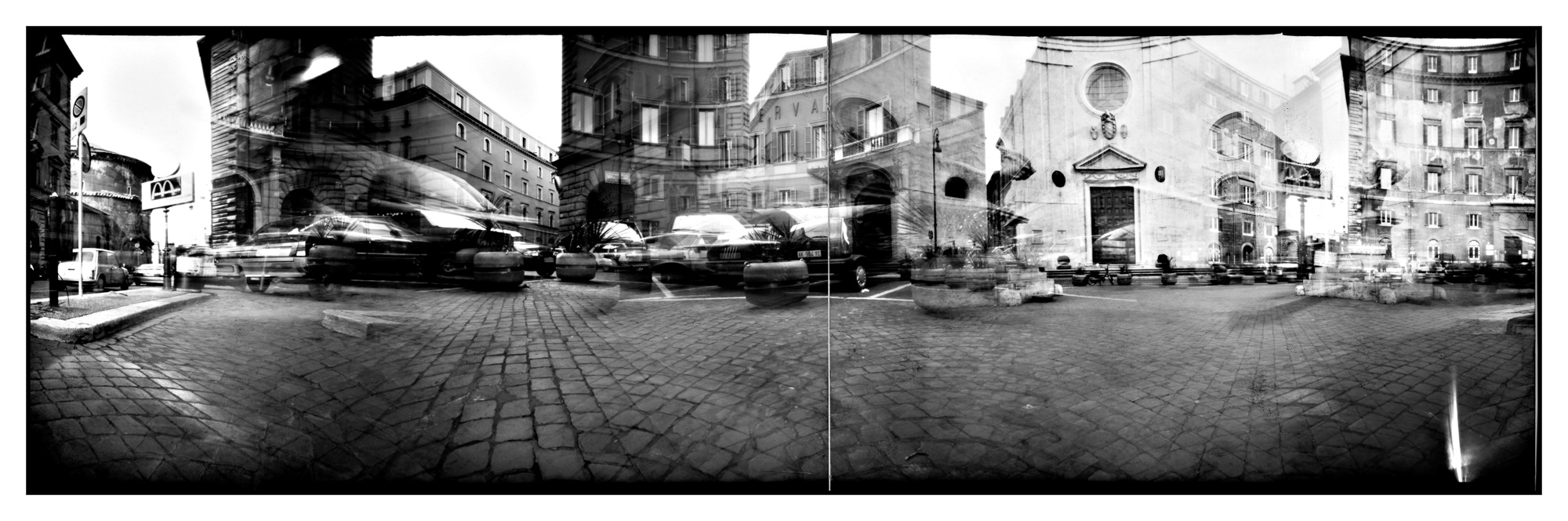
Recommendation:
We think you absolutely need to work on new photos and make a stronger name for yourself!
One idea: dedicate your new photo album to your city! Take photos of your city, show the bustle of the streets during the day and the tranquility of the evening. Show the tenderness and complexity of its bustling atmosphere.
Publishing an illustrated album with notes about your city will open up new opportunities and connections.
1. You can approach city authorities about supporting your photobook project. You could also publish a photo calendar! After all, every city has its own unique “face” and needs such projects.
The photo album could be titled:
(City Name) Through the Eyes of Luca Baldassari
This way, your photos will be seen by a huge new audience! They will see your city through your eyes—it’s very interesting.
You can do the same with landscape photography, taking many new photos of the nature in your region.
1.How can I deepen the connection between the pinhole’s intuition and the emotional weight of my work?
To deepen the connection between your pinholes intuition and the emotional weight of your work, focus on cultivating mindfulness and self-awareness during your creative process, allowing your intuition to guide your decisions while consciously reflecting on the emotional impact you want to convey. Embrace the spontaneous and unpredictable aspects of pinhole photography as a means to tap into genuine feelings, and then thoughtfully interpret these moments to infuse your work with depth and resonance. Additionally, exploring personal stories, memories, or emotional themes can help bridge the intuitive act with the meaningful content, creating a more authentic and emotionally compelling body of work.
2.In a digital age, how might slow, analog photography still move viewers beyond spectacle?
Analog photography can deeply move viewers beyond mere spectacle by emphasizing intentionality, craftsmanship, and a tactile connection that digital images often lack. Its deliberate process—careful composition, manual focus, and chemical development—encourages viewers to appreciate the patience and effort behind each shot, fostering a sense of authenticity and intimacy. Analog photography often captures textures, tones, and subtleties that digital images may overlook, inviting viewers to engage more thoughtfully with the image’s depth and nuance. Moreover, the physicality of prints and the uniqueness of each photograph create a tangible, enduring experience, transforming the act of viewing into a contemplative ritual that resonates emotionally and intellectually, transcending fleeting visual spectacle.
Your primary goal is to interact directly with people. This will allow you to experience the multitasking and tactile nature of analog photography. Use social media as a resource to attract attention and invite people to live workshops. This will help you move forward.
3.How can I hold space for poetic reflection while engaging with ecological or social themes—without losing its quiet truth?
Perhaps it’s worthwhile to talk about problems less directly and more through metaphors. People are well aware of the problems, but perhaps they’re not interested in looking at them head-on. Try finding a new perspective by using artistic photography.
Of course, adding text is necessary when discussing complex social and environmental issues, but remember, few people read anything online to the end. Your job is to create very precise and concise accompanying texts that won’t bore the viewer.
Ideas and Concepts.
In your genre of photography, your main goal is emotional and meaningful communication. You have a very philosophical approach to photography, as is evident from your website. Therefore, we believe you need to engage more deeply with people’s emotions and show their unique stories, experiences, and joys. We think you, almost like a psychologist with a camera, would be interested in this approach.
Secondly, urban photography. We wrote to you earlier about the idea of creating a photo album of your city. We think it could be an interesting exhibition project! You should try it.
And of course, your personal experiences, your attitudes toward global and small issues—share your point of view with people. This will help you find new followers and friends.
Websites and social networks
Your website looks informative enough, and it’s hard to tell what you need to add. Everything looks great—all you need to do is create new photos and implement your ideas.
We see that you haven’t posted on Instagram in a while. Perhaps now you’ll be inspired to start posting. The social media algorithm dictates the rules if we want to be at the top. The regularity of your posts is very important. To keep your audience interested, you should publish at least two posts per week.
We also recommend you fill out your profile header and briefly describe who you are and what you do. The links will redirect people from Instagram to your website, which will also bring results.
Conclusion.
You’ve chosen a very challenging path in photography. It’s complex, philosophical, and clearly not for everyone. What you do is more than just mindless snapshots, and that’s amazing.
Keep taking meaningful and soulful photographs, because what you do truly can be called art.
Good luck
BPA Team

 Luca Baldassari around the world with pinhole – con il foro stenopeico in giro per il mondo
Lascia un commento